
I’m closing the series on types of salesperson with the profile that most deceives SMB owners: the order-taker. And I’m closing it with the question that really matters: knowing that there are hunters, farmers and order-takers, what mix does your company need?
Fulfilling isn’t selling
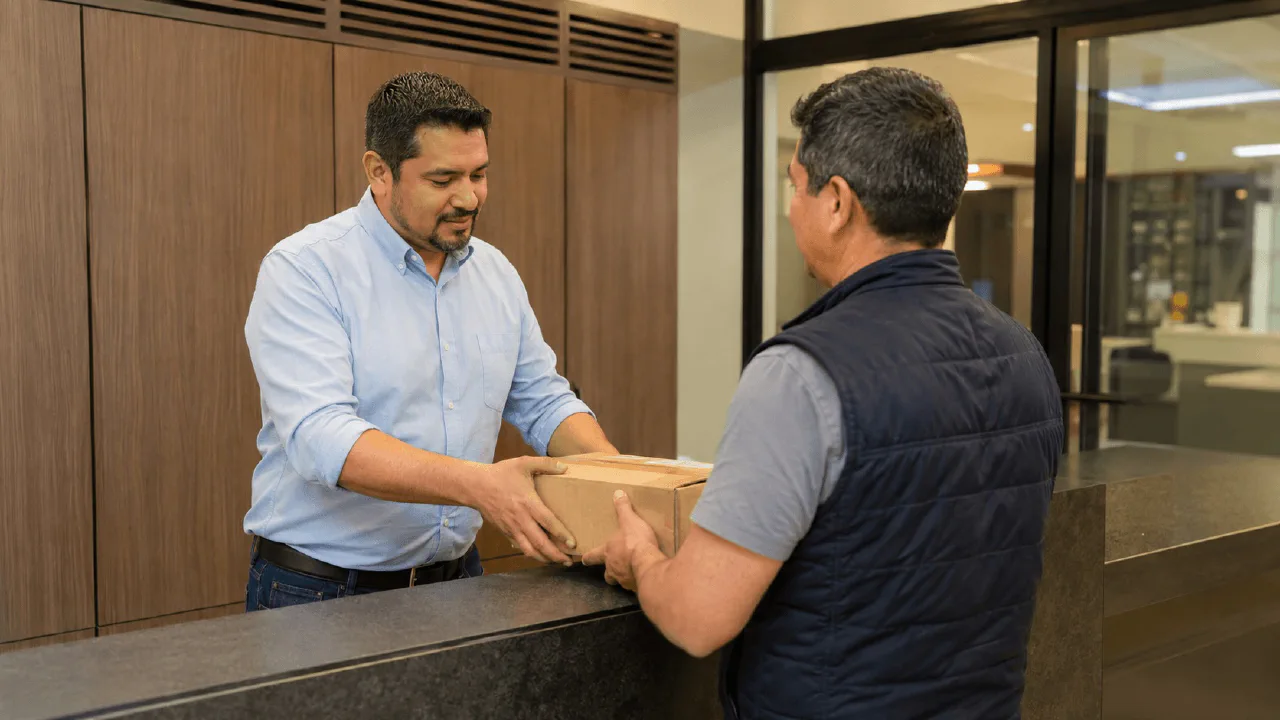
An order-taker serves whoever has already arrived decided: they take the order, process it, charge for it. It’s necessary work and often done well. But let’s be clear: that isn’t selling, it’s fulfilling. The sale —convincing someone who was hesitating, opening up someone who didn’t know you, growing an existing customer— was already done before that person reached the counter or sent the email.
The order-taker processes demand that already existed. The salesperson generates it.
The difference seems subtle and it’s enormous, because on it hinges whether your business grows or merely holds steady as long as people keep showing up on their own.
Why it’s a dangerous trap
That’s when you discover, at the worst possible moment, that your “sales team” doesn’t know how to go out and find customers, because it never did: it only fulfilled orders for the ones who came in.
Many SMBs that “sold well” for years collapse when the wind changes, and the cause is this: they confused a fulfillment operation with a sales machine.
Having one isn’t bad — confusing it is
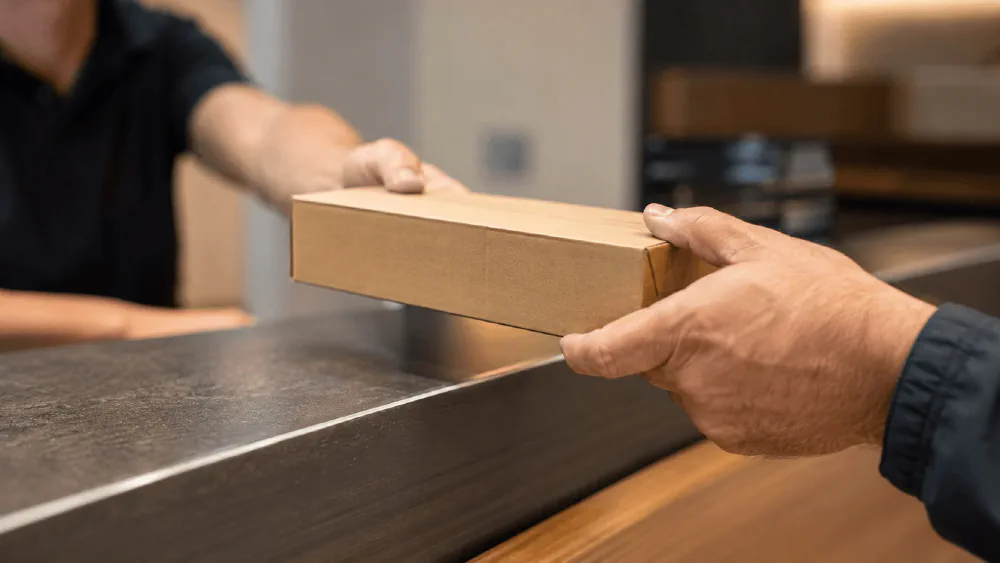
Let me be clear: you need someone to fulfill orders, and doing it well and fast is valuable for the customer experience. The mistake isn’t having order-takers; it’s counting them as a sales force and not realizing that no one on your team is generating new demand. A good owner knows how much of their revenue comes from real selling and how much from just fulfilling — because they’re businesses with very different futures.
So, what mix do you need?
It depends on your company’s stage, and this is the practical takeaway of the whole series:
- If you’re just starting out or want to grow hard: weight toward hunters. You need to fill the funnel with new customers.
- If you already have a solid customer base: invest in farmers. That’s where the cheapest growth, retention and repeat purchases live.
- You almost always need both, and very little pure order-taking: the fulfillment operation should be exactly that —an operation—, not your commercial strategy.
The key is to decide it on purpose, not to discover your mix by accident the day sales drop.
How Mexus CRM helps you see it
You can’t manage a mix you can’t see. In Mexus CRM you can separate roles (admin, sales manager, salesperson) and set each one their own goals —new customers for the hunter, repeat purchases and retention for the farmer— to measure who generates sales and who operates, without muddying your analysis. With that you stop assuming your sales force and start directing it. You can create your account and see it with your team.
This wraps up the series on profiles. If it helped you look at your team with fresh eyes —who opens, who farms and who just fulfills—, you’ve already done half the work of building a real sales force.
Someone bringing in revenue doesn’t mean they’re selling. Decide your mix on purpose — or the market will decide it for you the day sales drop.
Frequently asked questions
What is an order-taker?
It’s someone who serves and processes customers who have already arrived decided: they take the order and fulfill it. It’s useful work, but it doesn’t generate sales, because the demand already existed before it reached the counter or the inbox.
Why is confusing fulfilling with selling a problem?
Because the order-taker brings in revenue and looks like a sales force, but doesn’t know how to generate new demand. When the market tightens and people stop showing up on their own, a team that only fulfilled orders doesn’t know how to go out and find customers, and the business collapses.
What mix of salespeople does my company need?
It depends on your stage: if you’re looking to grow, weight toward hunters; if you already have a customer base, invest in farmers; and keep fulfillment as an operation, not a strategy. What matters is deciding the mix on purpose and being able to measure each profile separately —something a CRM with roles and per-agent goals, like Mexus CRM, makes possible.
Want to see how Mexus CRM solves it?
Create my account